Cafe & Food Kiosk POS System

A POS system tailored for cafés and food kiosks. Streamlines order management, links with payment gateways, integrates with self ordering solutions and membership solution.
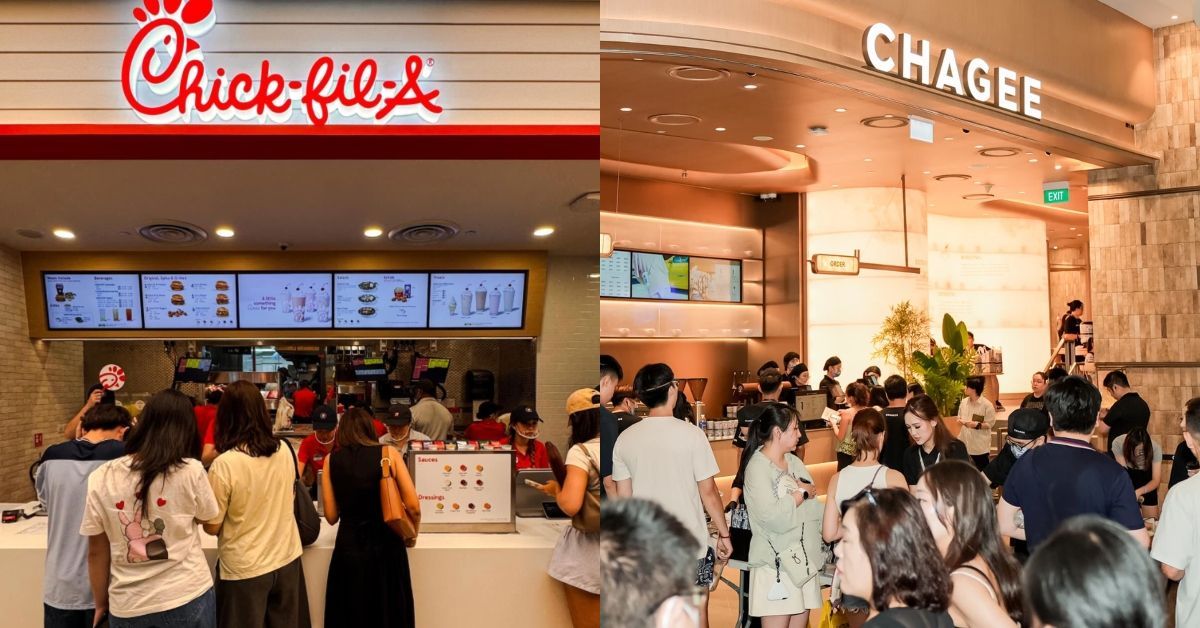
F&B businesses that trust us
The Top POS System Features Your Cafe Needs

Order management

Kitchen printer / display linking through your cafe pos provides real time order updates to the kitchen with accuracy

Instant menu update

Easily customise your cafe pos menu items through an online backend for single or multiple outlets

Inventory

Track ingredients consumption and other inventory items like canned drinks through recipe and inventory management

Kitchen printers/display

New orders and changes in orders are reflected instantly and completed orders can be struck off to prevent miscommunication, food wastage and missed orders

Loyalty program

An integrated member loyalty module in your cafe pos helps you incentivise your customers to return, thus boosting repeat sales

Payments

Safeguard your cafe's revenue against fraud and incorrect billing while providing your customers with a seamless cashless payment experience

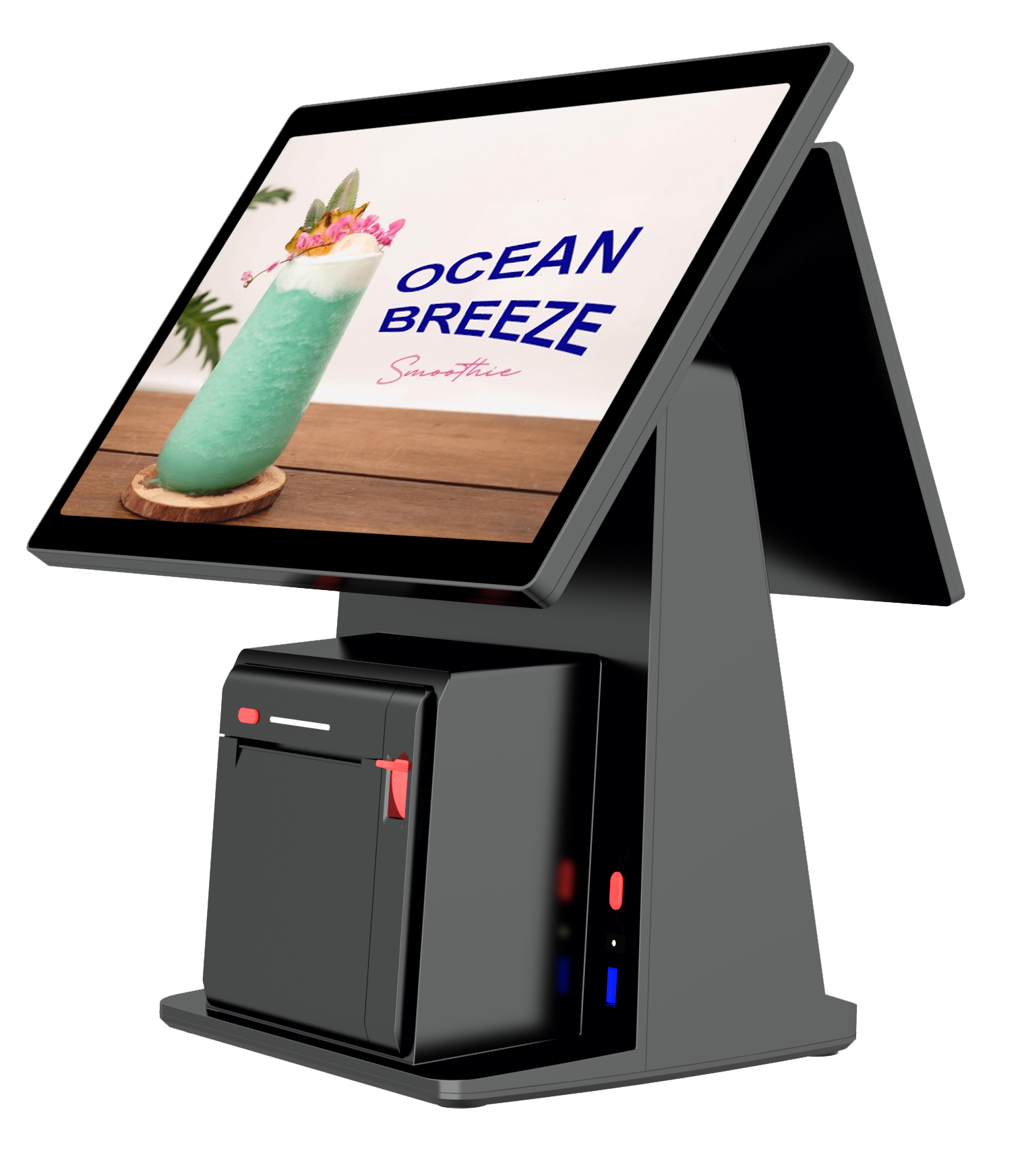
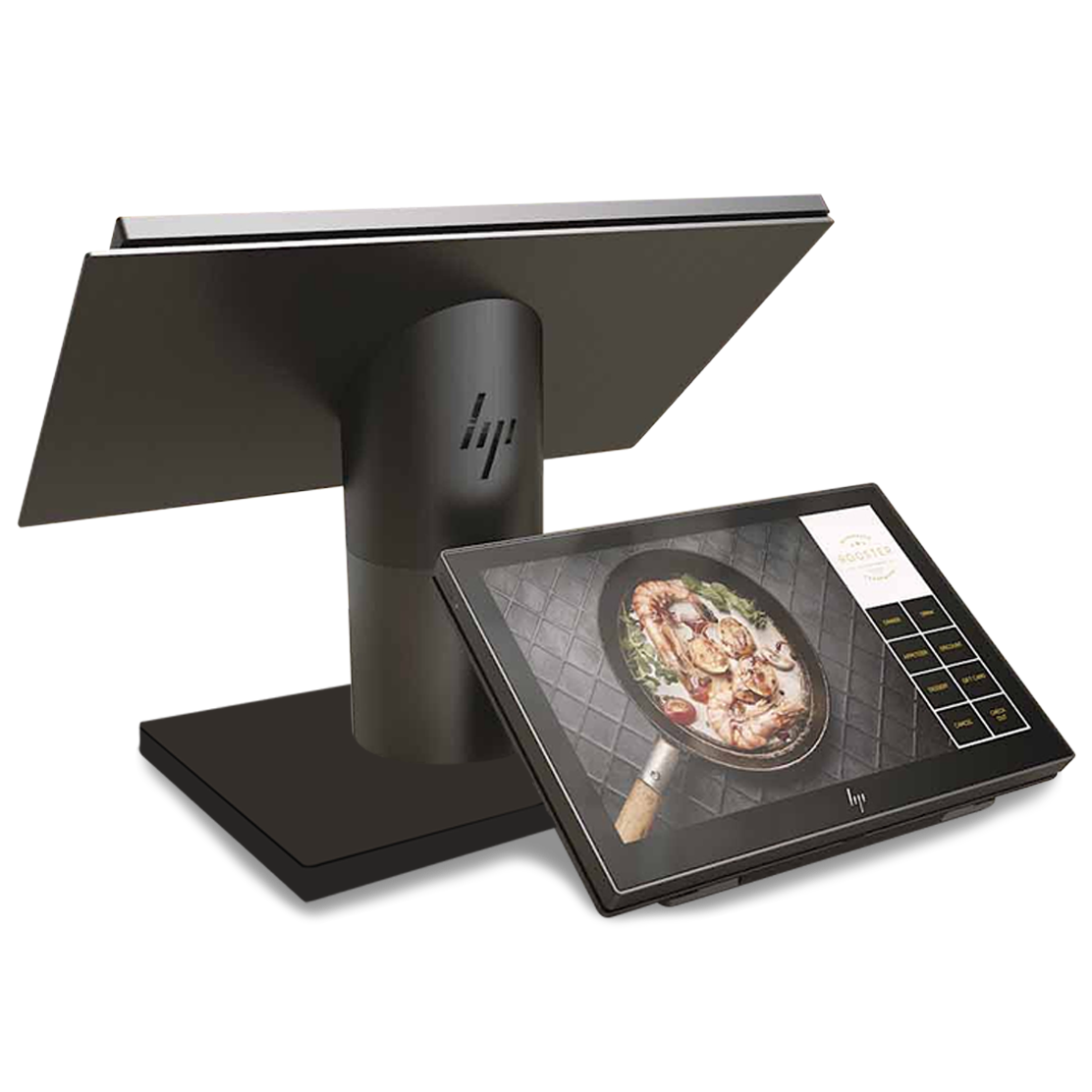
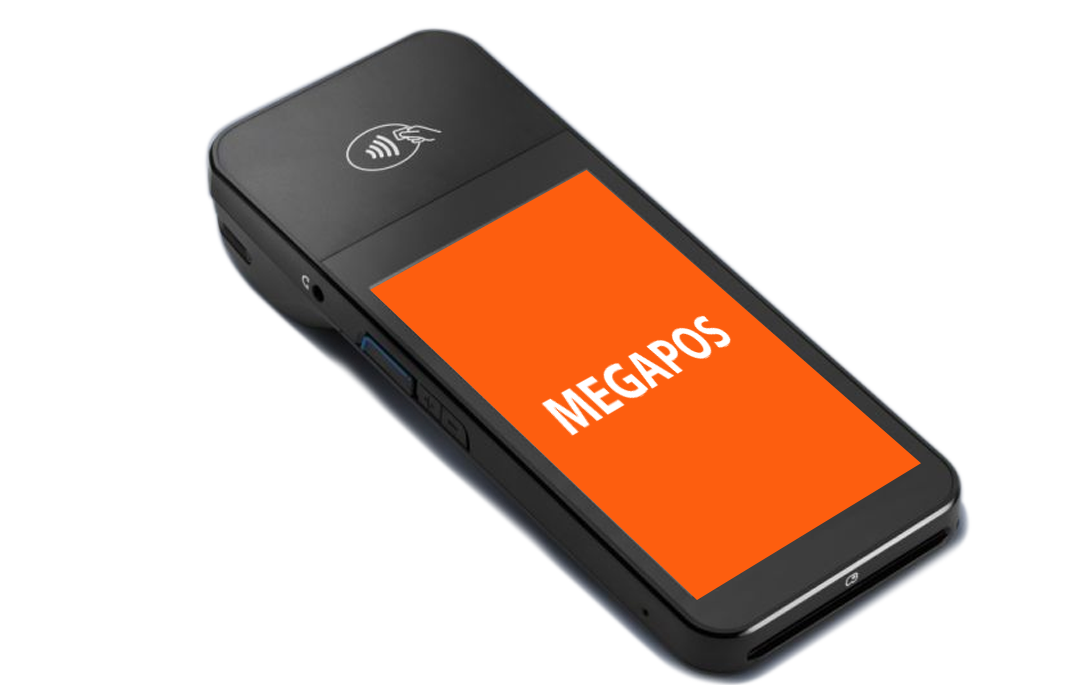
Sleek pos terminals

Elevate and blend into your cafe decor with MEGAPOS's sleek and stylish cafe POS terminals

Staff management

Simplify payroll through your cafe POS with clock in and out functions to easily track staff attendance and hours

Real time reports

Monitor your cafe's performance by accessing real time dashboards and reports through your cafe pos's online backend

Offline mode

Network disruptions do not affect your operations as MEGAPOS cafe POS has the capibility to switch and run on offline mode

Third party integrations

Connect with delivery platforms, self ordering solutions, online ordering and CRM to make your cafe POS a complete business solution.

Cafe & food kiosk self ordering solutions

MEGAPOS's in-house solutions comes integrated with your Cafe and Food Kiosk POS System
MEGAPOS Self Ordering Kiosk Restaurants

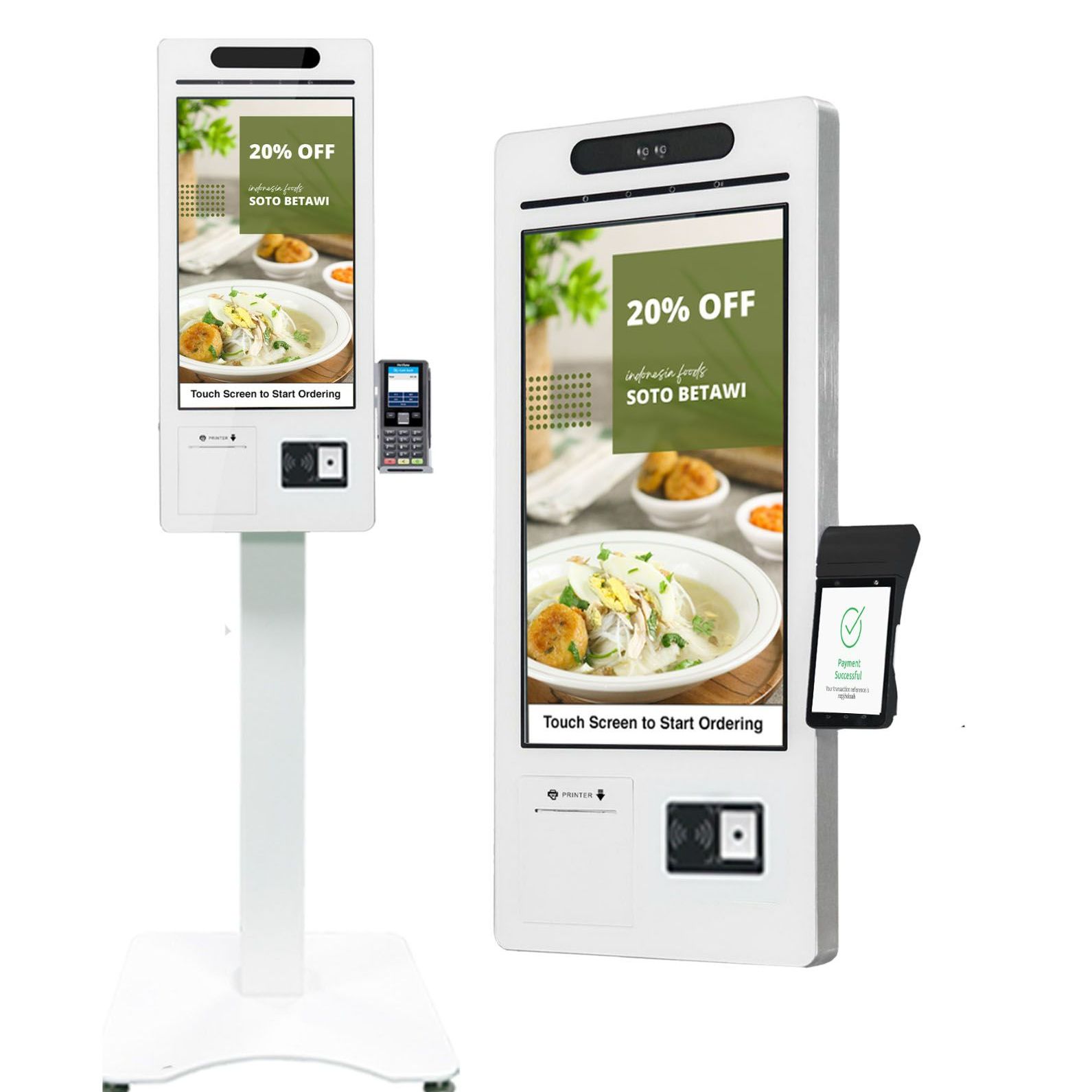
Self ordering kiosk

Reduce dependence on manpower for manual order taking & encourage customers to self-order.
Find out more
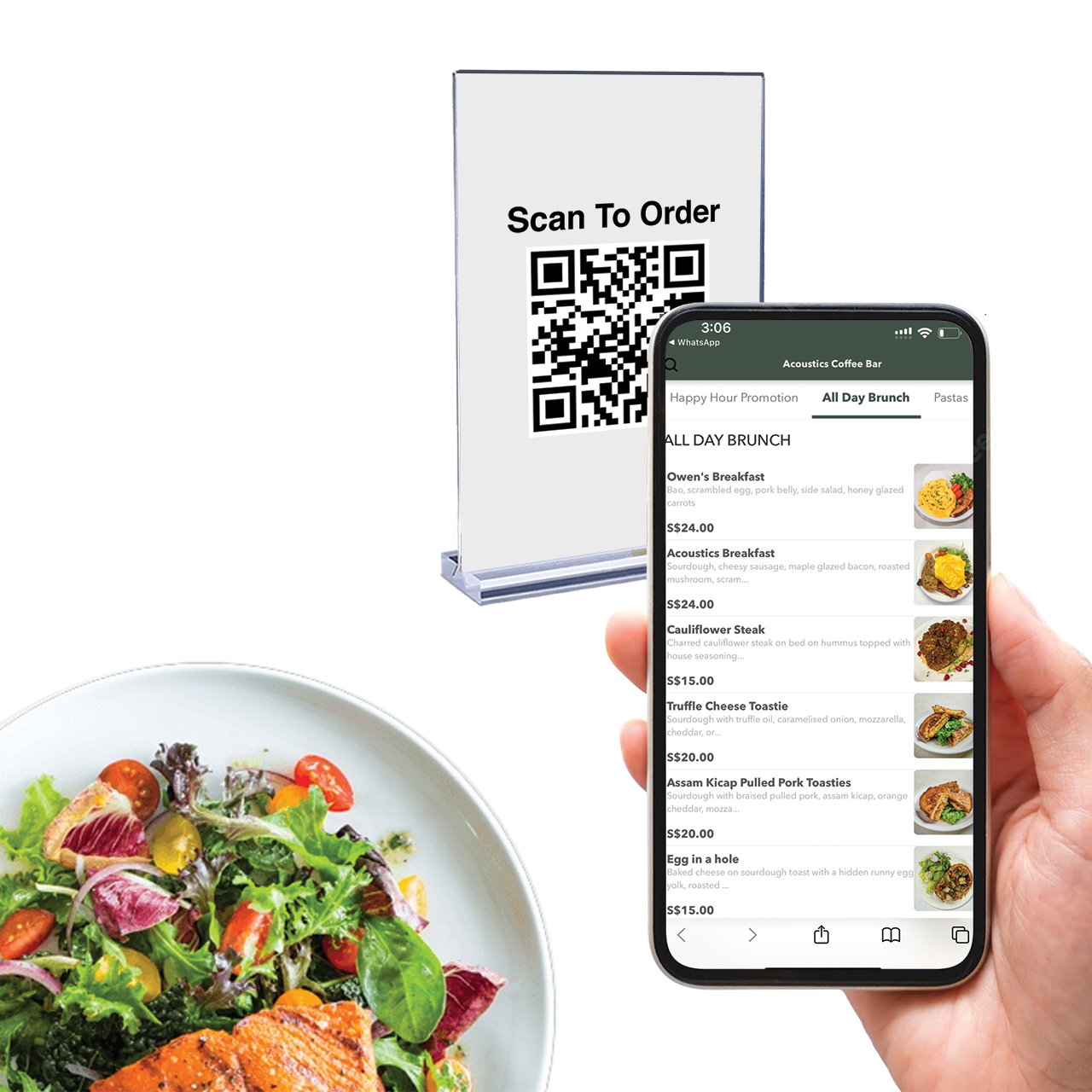
MEGAPOS QR Ordering Restaurant

QR Ordering

Allows cafe customers to scan a QR code and place orders.

Find out more
MEGAPOS Hybrid Restaurant

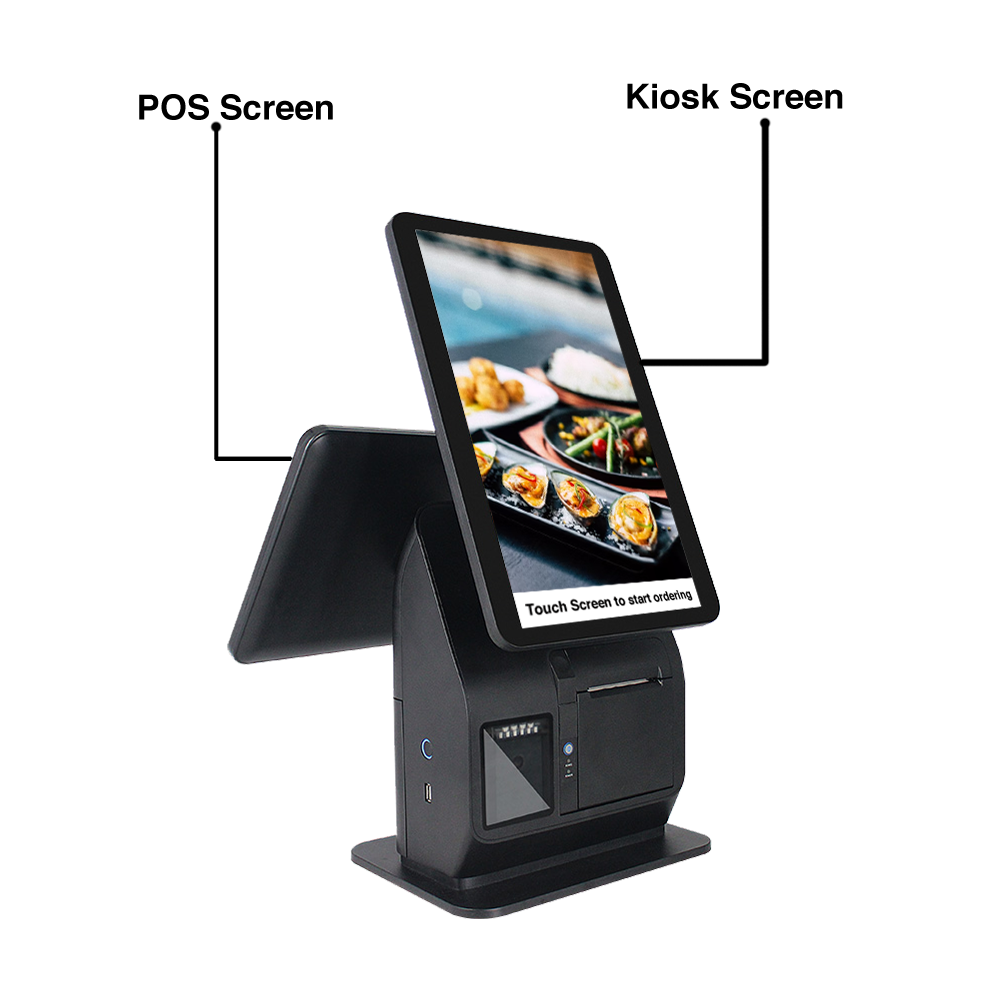
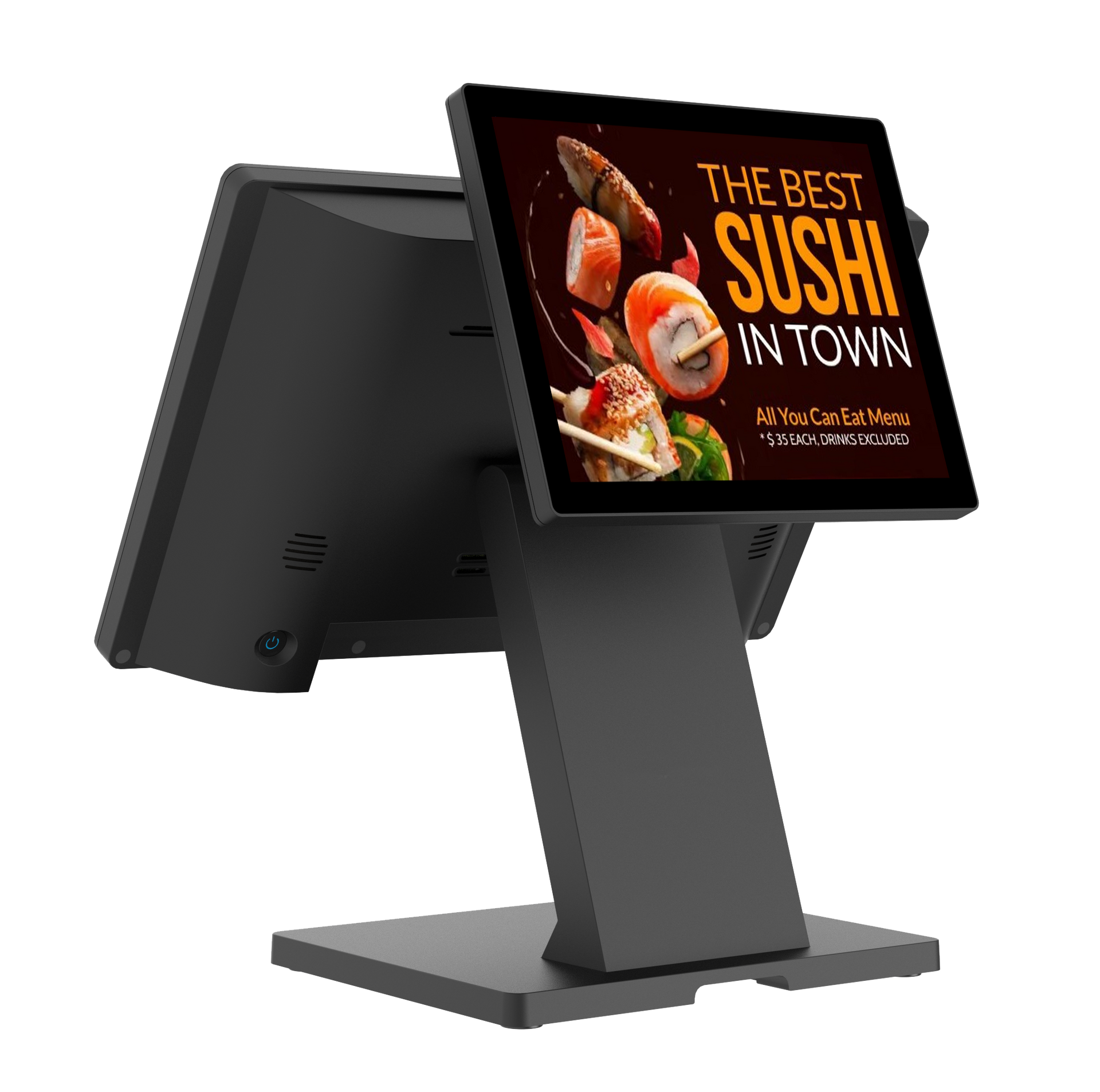
2 in 1 POS + Kiosk

A POS & self-ordering kiosk combined into a sleek dual screen solution.

Find out more

Cafe POS system that boost member loyalty
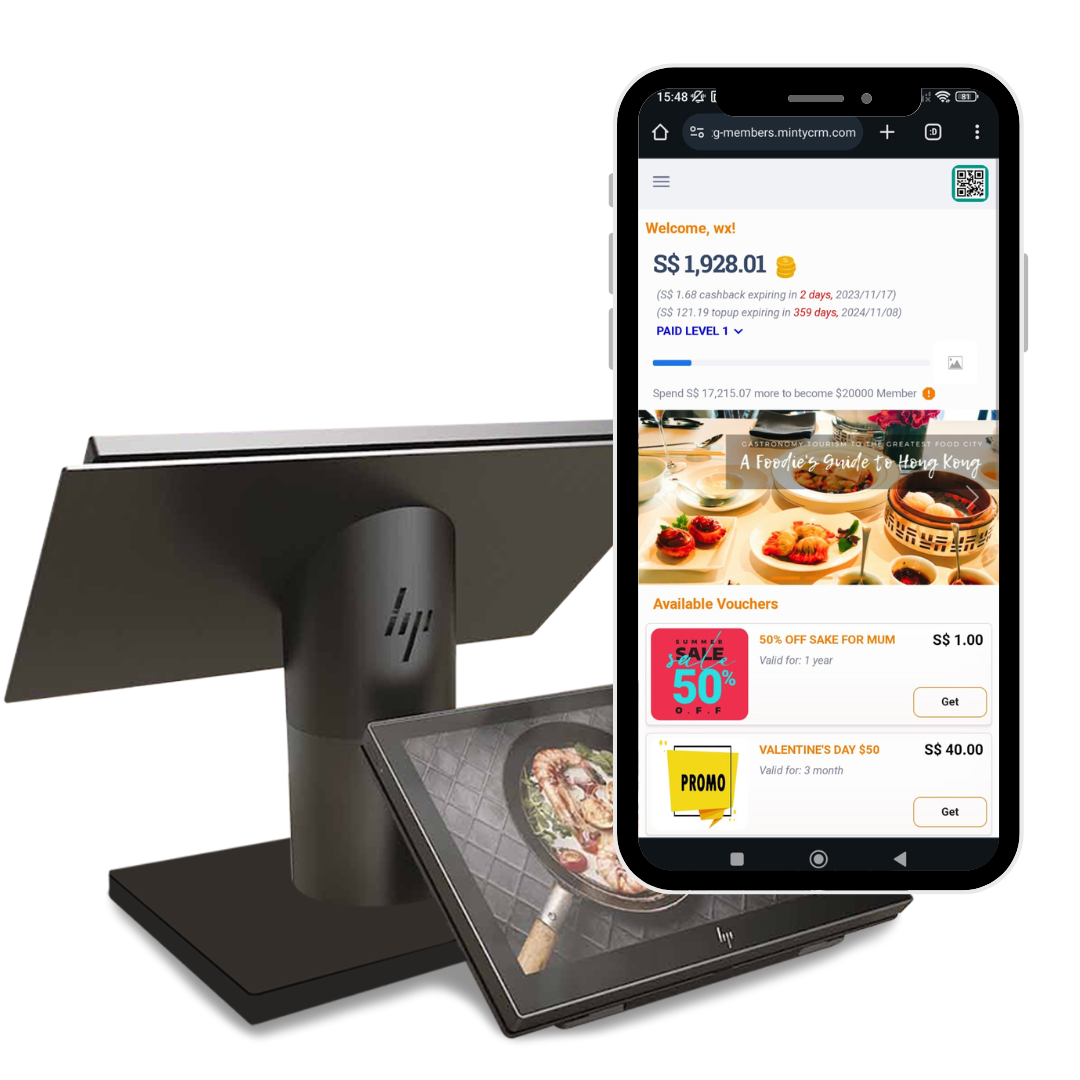
  • Enhanced customer insights

    Collect and analyze detailed customer data to understand preferences and behavior, allowing for personalized service and targeted marketing.

  • Streamlined operations

    Syncing your cafe & food kiosk POS and CRM systems reduces manual data entry, minimizes errors, and improves overall operational efficiency.

  • Increased sales & customer loyalty

    Data from your CRM can be used to create targeted promotions and loyalty programs, encouraging repeat visits and boosting sales.

  • Paperless & Simplified Loyalty Management

    Automatically track and manage loyalty points, rewards, and redemptions through your cafe & food kiosk POS system, making it easy for customers and staff to handle.

  • Centralized data management

    Maintain a single, unified database through an online portal or your POS system for customer and transaction data, simplifying reporting and analysis.

  • Cashflow boost

    Enable customers to topup credits or make prepurchased packages so they enjoy greater savings while your cafe / food kiosk secures extra cashflow.

MEGAPOS Cashless Payment
Links with all MEGAPOS Solutions

No need to apply from multiple payment vendors

Get cashless payments at low rates!

Accepts various payment methods
Interested to find out about MEGAPOS Cafe POS System?

Contact Us

Cafe / food kiosk order management solutions

Kitchen display

Orders are displayed systematically on a tablet with order changes instantly updated. Completed orders can be struck off to prevent confusion.

Kitchen printing

MEGAPOS cafe POS system itemizes orders and sends order items to its respective kitchen section's printers.

Sticker label printing

MEGAPOS integrates with sticker labels printers to print out orders on sticker labels that can be pasted on respective takeaway food containers.
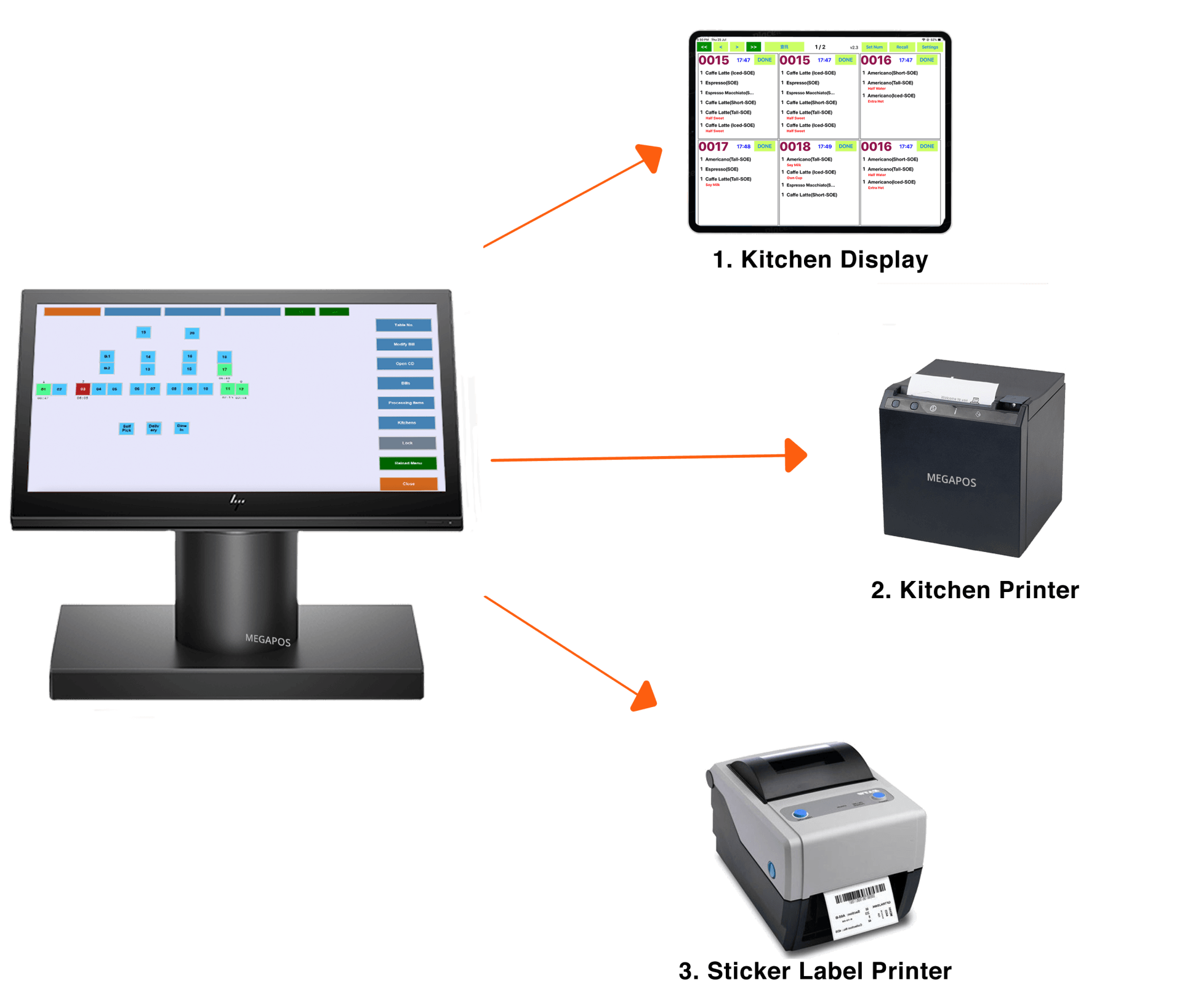
restaurant POS system integrated kitchen tech

What F&Bs say about our POS system

Swee Choon Tim Sum

Our business have been with MEGAPOS for 10 years now, in fact they pioneered the use of a POS system in our restaurant. Our business have grown leaps and bounds with them, and their constant advancement in technologies such as the recent introduction of QR code mobile ordering in our restaurant has helped us significantly. Will highly recommend MEGAPOS to any restaurant looking for a POS system!

Fulin Bar

"Very happy with the POS system. We had Bryan to assist with all the set up from the beginning. Very helpful guy. MEGAPOS is one of the best and very easy to use POS system for F&B operations. I would reccomend this POS system to anyone starting an F&B business."

Is your restaurant based in Singapore and looking for a Cafe POS System?

Contact us

Fill up your contact details to proceed to the demo booking page.

MEGAPOS Address:

160 Robinson Road 

SBF Center #26-02

Singapore 068914


Call us:

(+65) 6224 5788

Contact Us

Useful Cafe Reads

Cafe and food kiosk POS system and self ordering solutions tech updates, F&B business tips and client success case studies
By Liang Wei Liaw March 6, 2026
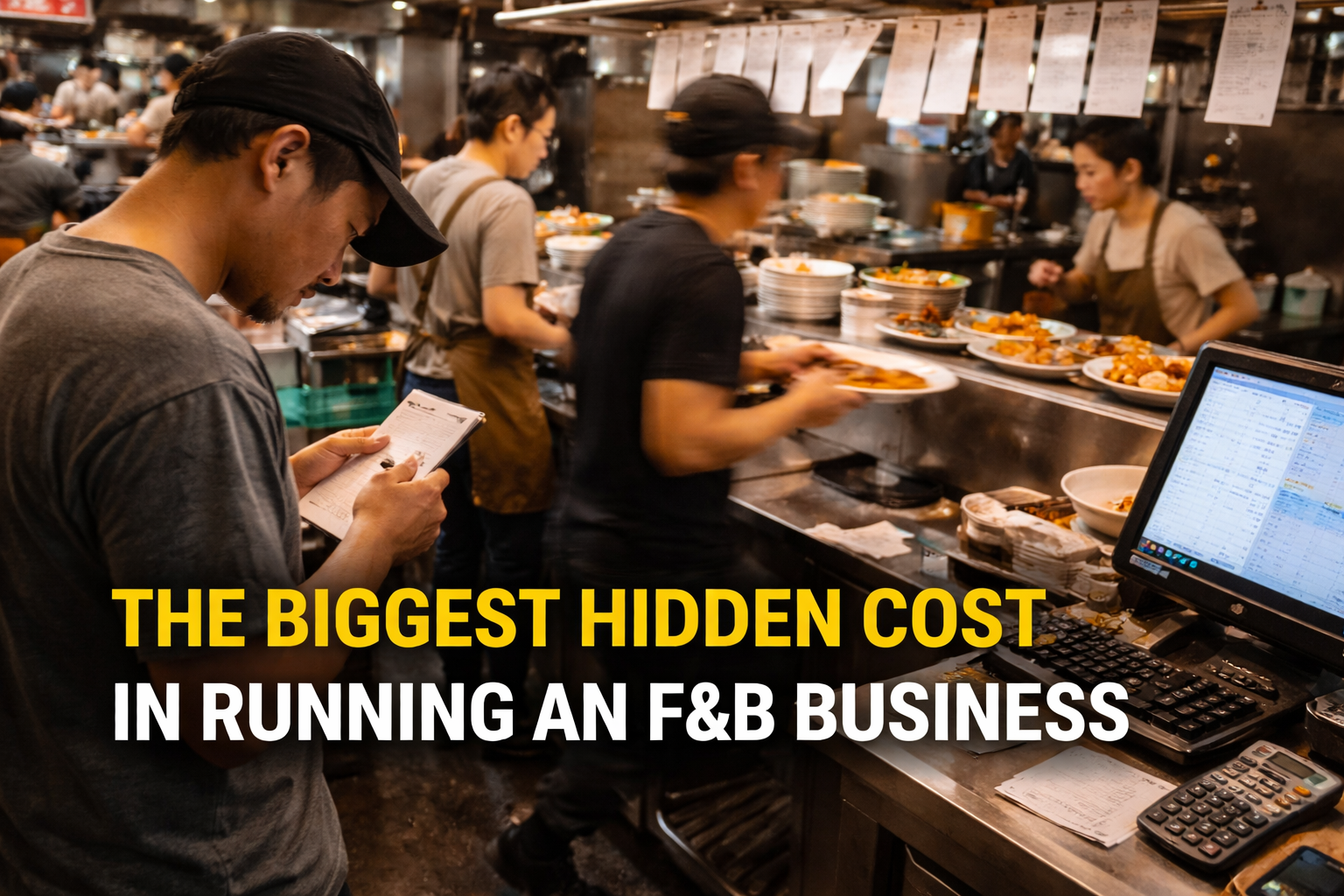
When most people talk about the cost of running an F&B business in Singapore, two things usually come to mind: rent and manpower . These are certainly major expenses. Rental in prime locations continues to rise, and hiring staff has become increasingly difficult due to labour shortages, levies, and increasing salary expectations. However, there is another cost that many F&B owners overlook and it quietly eats into profits every single day. That cost is operational inefficiency . Unlike rent or salaries, inefficiencies are harder to notice. They appear in small daily problems that seem insignificant on their own but add up over time. Understanding where these inefficiencies occur can help F&B businesses protect their margins and operate more sustainably in Singapore’s competitive market. Time Lost During Peak Hours In many outlets, the busiest periods are also when operations become the most chaotic. Staff are rushing between customers, orders are written down manually, and the kitchen may struggle to keep up with incoming requests. During these moments, even small delays can have a large impact. A slower ordering process can increase queues, frustrate customers, and reduce the number of orders that can be handled during peak hours. When customers see a long queue or experience slow service, many will simply choose another nearby restaurant. For businesses located in malls or food courts where alternatives are only a few steps away, speed and convenience often determine where customers decide to dine. Human Errors That Affect Profit Manual processes often lead to mistakes that can quietly reduce revenue. Orders may be recorded incorrectly, items may be forgotten, or billing errors may occur during busy periods. In some cases, staff may even forget to charge for certain add-ons or extras. Individually, these mistakes may seem minor. But over the course of weeks and months, they can represent a significant loss in revenue. Reducing these types of errors helps protect margins and ensures that businesses capture the full value of every order placed. The Challenge of Managing Data Many F&B operators rely mainly on daily sales totals to understand how their business is performing. While this information is useful, it only provides a surface-level view. More detailed insights can reveal valuable information, such as: which menu items generate the most profit which hours bring the highest revenue which promotions actually increase spending which customers return frequently Without access to these insights, it becomes difficult for owners to make informed decisions about pricing, promotions, or menu changes. Data-driven decision making is increasingly becoming an advantage for F&B businesses looking to stay competitive. Customer Retention Is Often Ignored Another hidden cost comes from constantly needing to attract new customers. Marketing campaigns, promotions, and discounts are often used to bring new diners through the door. However, acquiring new customers repeatedly can become expensive. Repeat customers, on the other hand, are far more valuable over time. A regular diner who visits every week contributes significantly more revenue than a one-time visitor. Businesses that find ways to keep customers engaged and returning tend to build a much more stable and predictable revenue stream. Adapting to Singapore’s Competitive F&B Market Singapore’s F&B landscape is one of the most competitive in the region. Consumers have many options, and expectations for convenience and speed continue to increase. Successful F&B businesses are not just focusing on food quality. They are also looking closely at how efficiently their operations run and how they can improve the overall customer experience. Small improvements in operational efficiency, service speed, and customer engagement can make a meaningful difference to profitability over time. Final Thoughts Running an F&B business in Singapore will always involve significant costs. Rent, manpower, and ingredient prices are unlikely to decrease anytime soon. However, by identifying and addressing operational inefficiencies, F&B owners can reduce unnecessary losses and improve the sustainability of their business. In an industry where margins are tight, even small improvements in efficiency can have a significant impact on long-term success. For many businesses, the key is not simply increasing sales but ensuring that every order, every customer, and every hour of operation is managed as efficiently as possible. If you are interested in F&B solutions that can boost your operation efficiency, like POS, self ordering kiosks, QR ordering and membership solutions, click here to get in touch with us and learn more!
By Liang Wei Liaw March 5, 2026
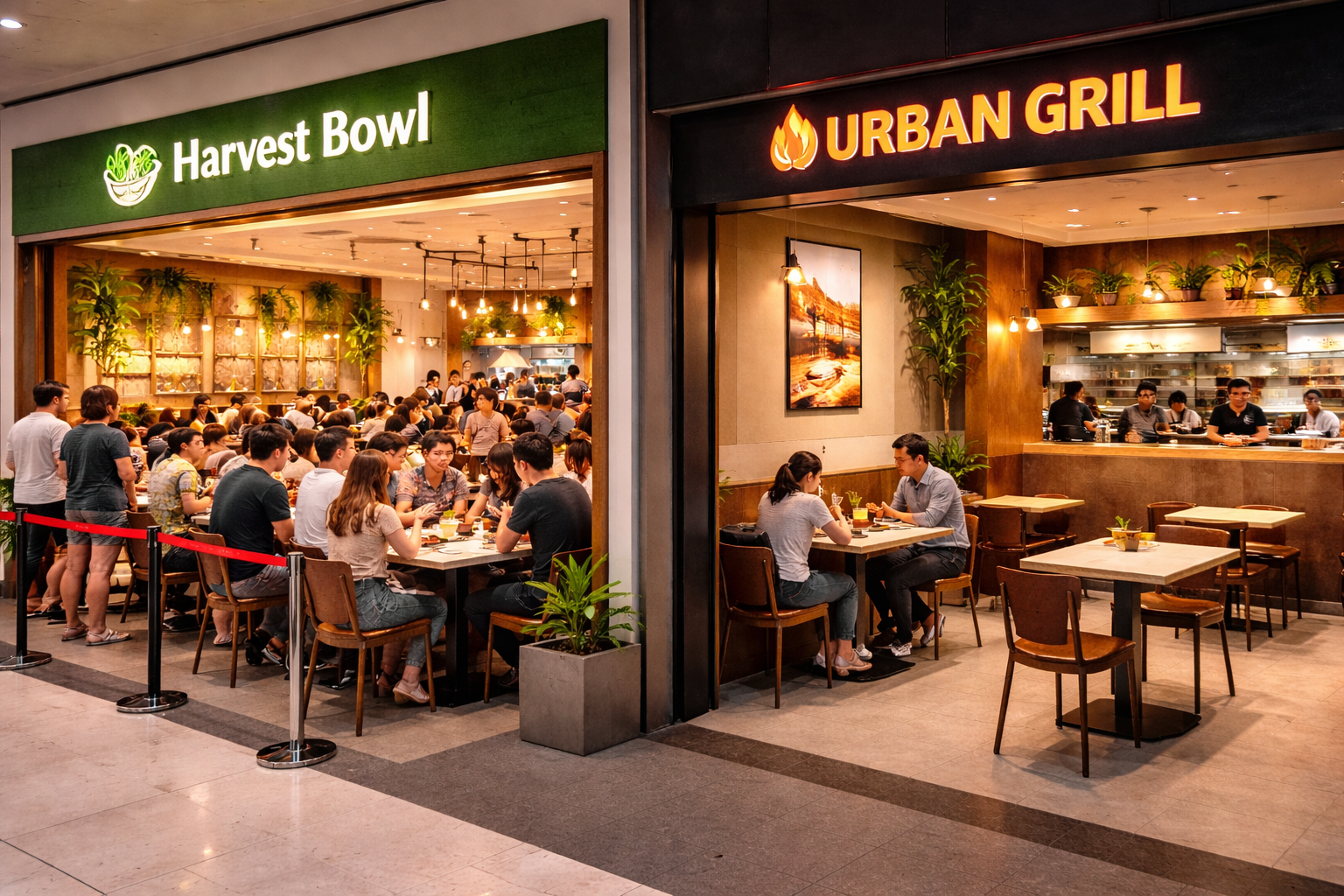
In Singapore’s competitive F&B industry, it’s common to see two restaurants located just a few streets apart with completely different outcomes. One is constantly busy with customers waiting for tables, while the other struggles to attract diners even during peak hours. For many F&B owners, this difference can feel confusing. The food quality may be similar, prices may be comparable, and both businesses may have invested heavily in décor and branding. Yet one continues to thrive while the other struggles to maintain consistent sales. The reality is that successful F&B operations often rely on more than just good food and a good location. Behind the scenes, many of the busiest outlets are making strategic decisions about how they manage operations, customer engagement, and data. Understanding these differences can help F&B operators build a more sustainable and profitable business. Consistency Matters More Than Occasional Success Many restaurants experience occasional busy days, especially during weekends or after a successful marketing campaign. However, the most successful outlets focus on maintaining consistent daily sales rather than relying on unpredictable spikes in traffic. Consistency often comes from operational efficiency. Restaurants that serve customers quickly, manage orders accurately, and minimise mistakes create better dining experiences. When service is smooth and food is good, customers are more likely to return. Operational consistency also helps staff work more effectively. When processes are streamlined and systems are easy to use, teams can focus on delivering good service rather than managing chaos during peak periods. Customer Retention Is Often Overlooked One of the biggest mistakes many F&B businesses make is focusing almost entirely on attracting new customers while neglecting their existing ones. In reality, repeat customers are often the backbone of a successful restaurant. A loyal customer who visits regularly can contribute significantly more revenue over time than a first-time diner. Businesses that perform well tend to have ways of keeping their brand in the customer’s mind. This can include loyalty programmes, membership systems, promotions, or simply maintaining a database of customers they can engage with in the future. Without these strategies, every day becomes a new effort to attract strangers instead of building long-term relationships with customers who already enjoy the food. Branding Plays a Bigger Role Than Many Owners Realise Branding is another factor that often separates busy restaurants from struggling ones. Branding is not just about having a nice logo or interior design it is about how customers remember and talk about your business. Successful F&B outlets usually have a clear identity that customers can easily recognize, whether it is a unique dining concept, a memorable signature dish, or a strong theme that makes the experience stand out. In today’s social media driven environment, branding also influences how shareable your restaurant is. When customers find a place that feels distinctive or memorable, they are more likely to recommend it to friends or post about it online. Over time, this word-of-mouth and online exposure can become one of the most powerful drivers of sustained traffic for an F&B business. Speed of Service Can Make or Break Peak Hours Another factor that separates busy restaurants from struggling ones is the ability to handle peak-hour demand efficiently. When customers experience long queues, slow order taking, or confusion at the counter, frustration builds quickly. Even if the food is good, many customers will not return if the process feels inconvenient. Restaurants that manage peak hours well often rely on structured workflows and tools that reduce bottlenecks. Faster ordering processes, clear communication between front-of-house and kitchen teams, and efficient payment systems can significantly improve service speed. In a fast-paced market like Singapore, where diners have countless options nearby, convenience plays a major role in where customers choose to eat. Data Helps Owners Make Better Decisions Many small F&B operators rely mainly on intuition when making decisions about pricing, menu items, or promotions. While experience is valuable, data can provide insights that are difficult to see otherwise. For example, understanding which menu items generate the most revenue, which hours are most profitable, and how often customers return can help owners make smarter adjustments. Some restaurants discover that their best-selling dish is actually not their most profitable one. Others realise that a certain promotion drives traffic but reduces overall margins. Having access to reliable data allows businesses to optimise their menu, pricing, and operations with greater confidence. The Future of F&B Is Operational Efficiency With rising rental costs, manpower shortages, and increasing competition, running an F&B business in Singapore has become more challenging than ever. Successful operators are not just focusing on cooking great food. They are also looking at ways to improve efficiency, reduce unnecessary costs, and create better experiences for customers. This includes adopting smarter operational practices, understanding customer behaviour, and using systems that help them manage their business more effectively. While these changes may seem small individually, together they can make a significant difference in the long-term sustainability of an F&B outlet. Final Thoughts The difference between a busy restaurant and an empty one is rarely just about the food. More often, it comes down to how well the business manages its operations, understands its customers, and adapts to the evolving F&B landscape. For restaurant owners, gaining insight into these factors can be the first step toward building a stronger and more resilient business. In an industry where margins are tight and competition is fierce, small improvements in efficiency, customer engagement, and decision-making can have a major impact on long-term success. If you are looking for F&B solutions that can boost customer retention, branding, online presence and help you to streamline operations with a centralised POS system, click here to find out more
By Liang Wei Liaw February 27, 2026
In Singapore’s F&B scene, opening hype is almost guaranteed. A new café launches and the queue stretches outside the shop. A freshly opened concept trends on TikTok. Reservation slots are fully booked for weeks. The first month’s revenue looks incredible. Then, somewhere between the third and sixth month, reality sets in. The crowd thins. Walk-ins slow down. Weekday sales drop. Promotions become more frequent. The same outlet that once struggled to handle demand is now trying to bring customers back. So what happened? The food didn’t suddenly become bad. The location didn’t change. The concept is still the same. The real reason is this: hype brings traffic — but it does not build a sustainable business. The Opening Hype Effect in Singapore Singapore is one of the most trend-driven F&B markets in the region. With social media, food review platforms, and a highly connected population, new concepts can gain attention very quickly. During the opening phase, customers visit because: It is new It is popular online They want to try it before others There are opening promotions But this type of traffic is driven by curiosity, not loyalty. Once the novelty wears off, customers move on to the next new place. If there is no system to bring them back, the initial momentum disappears. The Real Problem: No Retention Strategy Many F&B businesses focus heavily on launch marketing but have no long-term customer retention plan. This means: No customer database No way to re-engage first-time diners No visibility of who their returning customers are No structured loyalty programme Every day becomes a search for new customers again. In a high-cost environment like Singapore — where rental, manpower, and ingredient costs keep rising — this model is extremely difficult to sustain. Why Good Food Alone Is Not Enough This is a difficult truth for many operators. Good food brings customers once. A good system brings them back. Today’s diners have too many options. Even if they enjoy your food, there is no guarantee they will return unless: You stay in their mind You give them a reason You make it convenient Successful F&B brands do not rely on memory, they rely on data and structured engagement. What Successful F&B Brands Do Differently Brands that maintain strong sales after the hype period focus on three key areas. First, they capture customer data from Day 1. Whether through QR ordering, WiFi sign-ins, online orders, or membership programmes, they make sure that every first-time customer does not remain anonymous. Second, they build repeat visit mechanics. This includes points systems, cashback, bounce-back vouchers, birthday rewards, and targeted promotions. Third, they track performance beyond daily revenue. Instead of only looking at how much they sold, they monitor how many customers returned, what their best repeat items are, and which promotions actually work. This allows them to turn a one-time viral moment into long-term, predictable revenue. The Cost of Constantly Chasing New Customers Many outlets try to replace lost traffic with more marketing and more discounts. But acquiring a new customer is always more expensive than retaining an existing one. Over time, this leads to: Lower profit margins Discount-dependent customers Unstable revenue The business becomes busy but not profitable. From Hype to Sustainable Growth Opening hype is not a bad thing. In fact, it is a powerful advantage. The real question is whether the business is prepared to convert that hype into a long-term customer base. The most successful F&B operators in Singapore treat their opening period as a data collection phase. Instead of just focusing on daily sales, they focus on how many future returning customers they are creating. Because when the hype fades, the database remains. And that database becomes the foundation for: repeat visits targeted promotions stable monthly revenue The New F&B Reality in Singapore With rising costs and tighter competition, sustainability is no longer about having the longest queue during opening month. It is about: consistent weekday sales predictable customer return rate strong average spending per customer This is what separates outlets that close within a year from those that expand into multiple locations. Conclusion: Hype Is a Launchpad. Not a Business Model Opening hype gives you attention. Retention systems give you survival. The F&B brands that continue to grow are not the ones that rely on being the newest. They are the ones that build long-term relationships with every customer who walks through their door. Because in today’s market, the real success metric is no longer: “How busy were we during opening?” It is: “How many of those customers came back?” If you are looking for F&B solutions such as POS systems, QR ordering, self ordering kiosks, and membership solutions, click here to find out more!
By Liang Wei Liaw February 24, 2026
The F&B industry in Singapore is evolving rapidly. With rising manpower costs, increasing rental, tighter margins, and digitally driven customer behaviour, restaurants can no longer rely on traditional systems to stay competitive. This is why more businesses are upgrading to a modern F&B POS system in Singapore with an integrated CRM a solution that not only manages operations but also drives repeat sales and long-term customer loyalty. For restaurants, cafés, quick-service outlets, and even hawker stalls, adopting the right restaurant POS system in Singapore is no longer optional. It is a key factor in improving efficiency, reducing operational costs, and increasing profitability. What Is an F&B POS System and Why It Matters in Singapore An F&B POS system is the central platform that powers daily restaurant operations. It handles order taking, billing, payment processing, menu control, inventory tracking, and sales reporting in real time. In Singapore’s fast-paced dining environment, where peak hour performance directly affects revenue, a reliable cloud-based F&B POS Singapore solution ensures that orders are processed quickly, accurately, and without system lag. For multi-outlet restaurant groups, a centralised POS system allows business owners to: Monitor all outlets remotely Standardise menus and pricing Access real-time sales reports Control staff permissions This level of operational visibility is critical in a high-cost market like Singapore. Why a Traditional POS System Is No Longer Enough Many older POS systems function only as billing machines. While they can process transactions, they do not help restaurants grow. Without CRM integration, restaurants cannot: Capture customer data Track repeat visits Run targeted promotions Measure customer lifetime value This forces businesses to depend heavily on delivery platforms and paid advertising for new customers, which reduces profit margins. A modern F&B POS system in Singapore with CRM allows restaurants to shift their focus from constantly acquiring new customers to retaining existing ones — the most cost-effective growth strategy in today’s market. How CRM Turns Your F&B POS into a Customer Retention Engine When CRM is built into your restaurant POS system , every transaction becomes a data point that helps you understand your customers better. Customer profiles can be automatically created through: QR ordering Online ordering Self-ordering kiosks Membership sign-ups With this data, restaurants can run personalised marketing campaigns based on real spending behaviour. Instead of giving blanket discounts, businesses can reward loyal customers, reactivate inactive diners, and promote specific menu items to targeted customer groups. This increases repeat visits, improves average spending, and strengthens brand loyalty all without increasing marketing costs. Reducing Manpower Dependency with an Integrated F&B POS Manpower shortage is one of the biggest challenges for the Singapore F&B industry. A modern F&B POS Singapore solution integrates seamlessly with QR ordering, self-ordering kiosks, and kitchen display systems, reducing the need for manual order taking. This allows restaurants to operate with leaner teams while maintaining service speed and accuracy. At the same time, CRM automation eliminates the need for staff to manually track customer spending or send promotions. Marketing becomes system-driven instead of labour-intensive. Data-Driven Growth for Restaurants, Cafés and Hawkers One of the biggest advantages of a cloud-based F&B POS system in Singapore is access to real-time analytics. Restaurant owners can: Identify best-selling and low-margin items Track peak hour performance Measure promotion effectiveness Monitor customer return rates For cafés and quick-service restaurants, this helps optimise menu design and staffing. For hawker stalls and small counters, a compact POS system provides enterprise-level insights without taking up valuable space. For multi-outlet F&B brands, centralised reporting allows management to make faster expansion decisions based on actual outlet performance. Why Singapore Restaurants Need an F&B POS with CRM to Stay Competitive Singapore diners are among the most digitally connected in the world. They expect: Cashless payment options QR ordering convenience Instant rewards and loyalty points Personalised promotions A standalone POS system cannot deliver this experience. A fully integrated F&B POS Singapore solution with CRM enables restaurants to meet these expectations while maintaining control over their own customer database — instead of relying entirely on third-party delivery platforms. Future-Proofing Your F&B Business with the Right POS System The future of the Singapore F&B industry will be driven by: Automation Direct online ordering Customer retention strategies Data analytics Restaurants that continue using basic POS systems will struggle to compete with businesses that leverage technology for both operations and marketing. Investing in a modern F&B POS system in Singapore is not just about improving current operations — it is about building a scalable and sustainable business. Conclusion: The F&B POS Has Evolved from Billing Tool to Growth Engine A modern restaurant POS system in Singapore should do more than record sales. It should help generate them. By combining POS functionality with CRM capabilities, restaurants can: Reduce manpower reliance Increase repeat sales Run targeted promotions Make data-driven decisions Build long-term customer loyalty In today’s competitive market, the most successful F&B businesses are not the ones with the most customers but the ones that retain them. Frequently Asked Questions About F&B POS in Singapore What is the best F&B POS system in Singapore? The best F&B POS system in Singapore is one that supports cloud reporting, QR ordering, CRM integration, and multi-outlet management while remaining easy for staff to use during peak hours. How much does an F&B POS system cost in Singapore? F&B POS pricing in Singapore varies depending on hardware, software features, and integrations. Cloud-based systems typically offer lower upfront costs and better scalability for growing businesses. Can an F&B POS reduce manpower? Yes. By integrating QR ordering, self-ordering kiosks, and kitchen display systems, an F&B POS can significantly reduce the need for manual order taking and improve operational efficiency.  Why is CRM important for restaurants? CRM allows restaurants to capture customer data, run targeted promotions, and increase repeat visits, which improves long-term profitability. If you are interested in getting a POS system, QR ordering, Self Ordering Kiosk and membership solution for your F&B business click here to find out more!
Show more

Frequently Asked Questions

  • Can automated promotions be set up?

    Yes, MEGAPOS restaurant POS system allows you to create multiple flexible automated promotions will be automatically applied to the bill when preset the criterias are met.

  • Can it print specific order items to specific kitchen printers

    Yes, you are able to configure your MEGAPOS restaurant POS system to itemize orders and send each order item to respective kitchen printers different kitchen secions.

  • Does your POS come with CRM?

    Yes, we do. In fact,  apart from just saving customer data into your POS system, you are able to configure member points collection and redemption system, or even configure different discount levels to be applied to different membership tiers.


    This will help you to boost your restaurant's customer retention rate.

  • What is your warranty coverage?

    Yes, we do provide a 3-year direct manufacturer warranty with HP for your HP POS system's hardware.


    As for MEGAPOS restaurant POS software, first-year technical support is covered. 

  • How do I claim warranty with HP if there is a hardware issue?

    If your HP POS system is still covered by the 3-year direct manufacturer warranty, MEGAPOS will take over the claim process.


    Arrangements like loaning you a POS system in the meantime during repairs can be made.

  • What to do if I face a technical difficulty?

    You can call our support hotline and MEGAPOS tech support will provide online and phone support.


    However, if the issue is not able to be solved online and through the phone, a visit to your restaurant will be scheduled.

Cafe / Food Kiosk POS System FAQs

  • Does your cafe / food kiosk POS System integrate with number calling system?

    Yes, MEGAPOS POS System is integrated with our LCD number calling system. It allows you to display high-resolution images of your choice to capture the attention of walk-in customers and also updates your customers on their order status by displaying their order numbers in the "preparing" or "ready" columns.

  • Can MEGAPOS cafe/food kiosk POS system print logos on receipts?

    Yes, provide us with your logo image and we will be able to set up logo printing on your receipt for you.

  • Does cafe / food kiosk POS system have CRM?

    Yes, we do. Apart from just saving customer data into your POS system, you are able to configure member points collection and redemption system, or even configure different discount levels to be applied to different membership tiers.


    This will help you to boost your restaurant's customer retention rate. MEGAPOS also integrates with third-party CRM solutions to help you boost your customer retention.

  • Does cafe/food kiosk POS system have any warranty?

    Yes, we do provide a 3-year direct manufacturer warranty with HP for your HP POS system's hardware.


    As for MEGAPOS restaurant POS software, first-year technical support is covered. 

  • How do I claim warranty with HP if there is a hardware issue?

    If your HP POS system is still covered by the 3-year direct manufacturer warranty, MEGAPOS will take over the claim process.


    Arrangements like loaning you a POS system in the meantime during repairs can be made.

  • What to do if I face a technical difficulty?

    Call our support hotline and MEGAPOS tech support will provide online and phone support.


    However, if the issue is not able to be solved online and through the phone, a visit to your outlet will be scheduled.

MEGAPOS Shares

By Liang Wei Liaw March 26, 2026
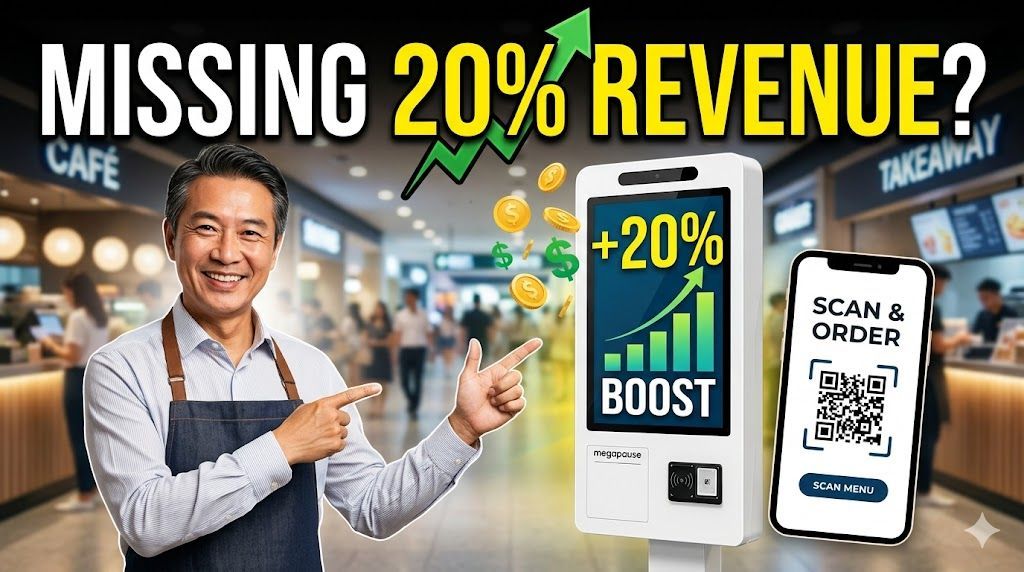
With GST at 9% and ingredient costs remaining stubbornly high in 2026, Singaporean F&B owners are constantly looking for ways to protect their profit margins. While you can only cut operational costs so much, there is another highly effective strategy: increasing the Average Order Value (AOV) for every customer who walks through your door. Industry data consistently shows that customers spend roughly 15% to 30% more when they order through a digital screen compared to a human cashier. But why does this happen? It’s not magic; it’s consumer psychology. Here is why upgrading to digital ordering systems isn’t just about saving manpower. it’s about actively driving your revenue up. 1. The End of "Upsell Guilt" Let’s be honest: your front-of-house staff probably hate upselling. Asking every single customer, "Would you like to upgrade your drink?" or "Do you want to add truffle fries?" can feel pushy, and during a busy lunch rush, staff simply forget to ask. A self-ordering kiosk or a QR code menu never forgets, and more importantly, it never feels "pushy." Customers don't feel judged by a screen. When a kiosk automatically prompts a pop-up saying, "Make it a meal for just $3 more?", a significant percentage of customers will tap "Yes" out of sheer convenience and appetite. 2. People Eat with Their Eyes Traditional printed menus rely on text descriptions, leaving the customer to imagine the dish. Digital screens flip this dynamic entirely. When a customer uses a MEGAPOS self-ordering kiosk or their smartphone to scan a QR menu, they are greeted with vibrant, high-definition photos of your food. Seeing a glistening slice of cake or a perfectly frosted iced latte triggers an immediate craving. Visual menus turn a simple "I just want a coffee" visit into "I'll get a coffee and that matcha roll looks too good to pass up." 3. The Customization Premium Modern Singaporean diners love modifying their orders. Whether it’s an iced oat milk latte with an extra espresso shot, or a grain bowl with added avocado and smoked salmon, customization is king. However, communicating these complex add-ons to a human cashier can be tedious and prone to errors. Digital menus make customization completely frictionless. Customers love tapping through the add-on options, and because they are in control, they happily pay the extra $1 or $2 per modification. These small, high-margin add-ons compound quickly, significantly padding your daily revenue. 4. Real-Time Menu Engineering Printed menus are static. If you have a surplus of a specific pastry that is about to expire, or you want to push a high-margin seasonal drink, reprinting menus is out of the question. With a smart backend like the one powering MEGAPOS , you have total control over your digital storefront. You can instantly push your most profitable items to the top of the kiosk screen, highlight them as "Chef’s Recommendations," or create limited-time bundle deals on the fly. You dictate the customer journey the moment they scan your QR code or touch the screen. The Bottom Line Investing in self-service technology is no longer just a defensive move to combat the manpower crunch; it is an offensive strategy to increase your sales. By moving your menu to a digital interface, you are giving your customers a frictionless, visually appealing experience that naturally encourages them to spend more. Want to see how easy it is to set up an automated upselling machine for your store? Contact MEGAPOS today to get a demo of our highly visual kiosks, QR ordering systems, and dual-screen POS setups designed specifically to boost your bottom line.
By Liang Wei Liaw March 24, 2026
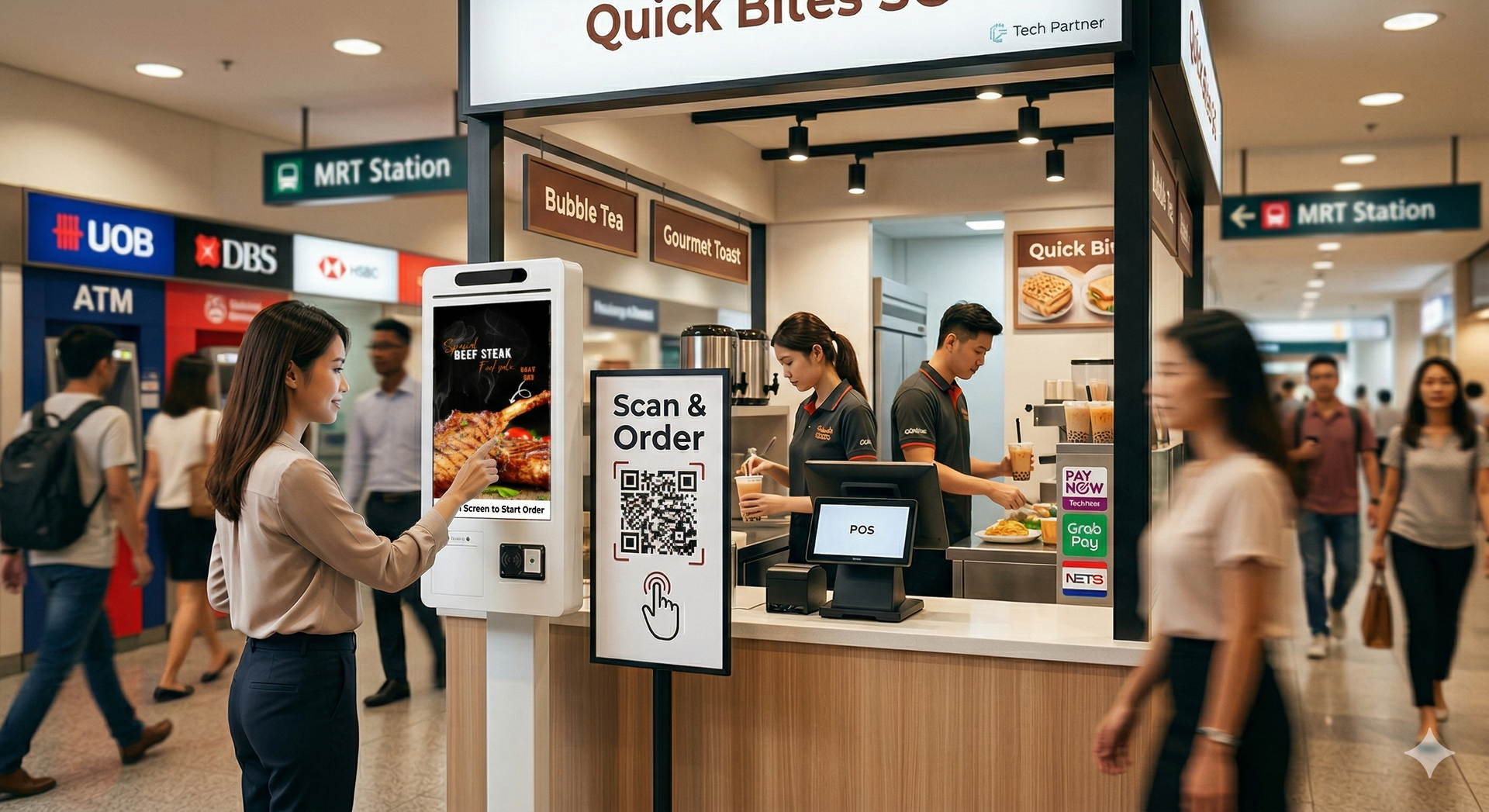
Running a quick-service food or beverage kiosk in Singapore whether it is a bubble tea stand in a heartland mall or a grab-and-go snack counter near an MRT station is a unique challenge. You rely on high footfall and fast turnover to make your margins, but you have to do it in a footprint the size of a walk-in closet. When you add Singapore's ongoing manpower crunch to the mix, operating a kiosk becomes a high-stress juggling act. With limited space and strict foreign worker quotas in 2026, you simply cannot afford to have a staff member dedicated solely to punching buttons on a cash register. Here is how quick-service operators are rethinking their micro-spaces and using tech to survive the labor shortage. 1. The "One-Man Show" Dilemma In a typical kiosk setup, you might only have room for two or three staff members per shift. If one person is permanently anchored to the POS system taking orders, answering questions, and handling cash, your production capacity is immediately cut by a third or even half. With the Ministry of Manpower (MOM) maintaining tight Dependency Ratio Ceilings (DRC), hiring an extra pair of hands just for front-of-house duties is incredibly difficult and expensive. The math forces a harsh reality: your human staff needs to be entirely focused on preparing the food or drinks, not taking orders. 2. The Invisible Cost of the "Too Long" Queue In the quick-service game, speed is your actual product. A long queue might look like a sign of good business, but it is often a silent revenue killer. During the lunch rush, the modern Singaporean consumer is impatient. If an office worker sees a slow-moving line of five people waiting to order an iced latte or a waffle, they will likely walk over to a competitor. You aren't just losing the speed of service; you are actively losing walk-by sales because of an operational bottleneck. 3. Maximizing the Micro-Space with Smart Automation To maximize output in a 150-square-foot space, you need technology that is compact, fast, and acts as an invisible employee. This is where an integrated system like MEGAPOS completely changes the workflow of a takeaway kiosk: The Tireless Cashier (Self-Ordering Kiosks): A sleek, small-footprint self-ordering kiosk takes the pressure off your staff. It never calls in sick, never gets an order wrong due to background noise, and automatically prompts customers with upsells (like adding pearls or upgrading to a combo). Queue-Busting QR Codes: Don't have physical space for a kiosk terminal? Place QR codes on standees around your kiosk. Customers can scan, browse the visual menu, and pay on their own phones while standing in line. By the time they reach the counter, their order is already popping up on your kitchen display. Compact Dual-Screen POS: For the few customers who still prefer ordering at the counter, a modern dual-screen POS is essential. It looks clean, takes up minimal counter space, and allows the customer to verify their complex custom orders (e.g., "25% sugar, less ice") instantly on the second screen, eliminating costly remakes. 4. Funding Your Digital Employee Upgrading your kiosk’s technology doesn't mean eating into your hard-earned profits. The Singapore government continues to strongly back F&B automation in 2026: Productivity Solutions Grant (PSG): Eligible F&B operators can still tap into the PSG to cover up to 50% of the costs for pre-approved IT solutions, making systems like self-ordering POS highly affordable. SkillsFuture Enterprise Credit (SFEC): With the redesigned SFEC rolling out in the second half of 2026, qualifying businesses will have access to a $10,000 credit to offset out-of-pocket expenses for enterprise transformation, including tech adoption. The Takeaway In a quick-service kiosk, every square inch and every second counts. By shifting the ordering process to the customer, you instantly solve your biggest manpower headache. Your staff can prep faster, your queues move quicker, and your daily sales volume increases. Ready to turn your takeaway counter into a high-speed, high-efficiency operation? Reach out to MEGAPOS today to explore how our compact POS, self-ordering kiosks, and QR solutions are built specifically for Singapore's fast-paced F&B environment.
By Liang Wei Liaw March 20, 2026
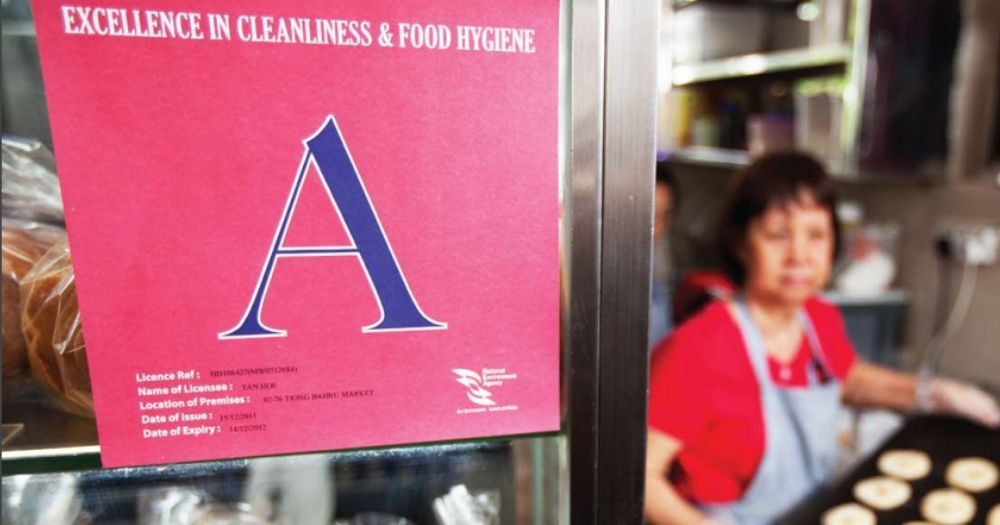
The SFA officially rolled out Phase 1 of the Safety Assurance for Food Establishments (SAFE) framework on January 19, 2026. If you are running a cafe, restaurant, or kiosk in Singapore, the days of prepping for a single annual grading inspection are over. The new system is designed to reward consistent, year-round hygiene practices. While regulatory changes can feel overwhelming, understanding the mechanics of SAFE will help you maintain your top grade without the last-minute scramble. Here is the factual breakdown of what you need to know and how to adapt your operations. 1. The End of the "Snapshot" Inspection For nearly three decades, establishments were given an 'A', 'B', 'C', or 'D' based on a once-a-year snapshot assessment. The SAFE framework replaces this with a continuous tracking model. Your grade is now a reflection of your sustained track record . This means SFA evaluates your everyday operational discipline over time, rather than just how clean the kitchen is on the day the inspector arrives. 2. The New Grading System: A, B, C, and "NEW" The 'D' grade has been completely removed. Under Phase 1 of the SAFE framework, the roughly 45,000 licensed food establishments in Singapore are now graded as follows: Grade 'A': Awarded to establishments with a strong food safety track record of more than three years (meaning no major lapses). Grade 'B': Awarded to establishments with a good track record of between one and three years . Grade 'C': An immediate downgrade triggered by a major lapse. This includes a license suspension under the Points Demerit System (accumulating 12 points within 12 months) or a court conviction for a food safety offense. "NEW": Assigned to businesses operating for less than a year to distinguish them from operators with established track records. 3. Goodbye Physical Decals, Hello QR Codes You no longer need to scrape off and replace physical grade decals on your storefront. The new framework shifts entirely to a digital transparency model. Diners can now check your establishment's real-time food safety grade by simply scanning the QR code on your SFA license displayed at your premises, or by checking the SFA's online track record portal. 4. Category 1 vs. Category 2 Establishments The SFA now divides businesses based on the scale and complexity of their food preparation. Category 1 (Significant Processing): Caterers, large restaurants (kitchens 16 square meters or larger), in-house kitchens, and food manufacturers. Category 2 (Low/Moderate Processing): Cafes, bakeries, small restaurants, takeaway outlets, and food stalls in coffee shops or hawker centers. The Category 1 "Fast-Track": If you are a Category 1 operator, you do not necessarily have to wait three years for an 'A' grade. You can fast-track to an 'A' after just one year of a clean track record if you appoint an Advanced Food Hygiene Officer (AFHO) and implement a certified Food Safety Management System (FSMS). Keep in mind that when Phase 2 rolls out (details expected by 2027), these AFHO and FSMS requirements will become mandatory for Category 1 establishments seeking to maintain their 'A' status. 5. How Technology Protects Your Grade When your staff is overwhelmed with manual order taking, payment processing, and answering routine questions, kitchen hygiene and operational discipline inevitably slip. Rushed staff are more likely to make the kind of mistakes that lead to a "major lapse." By utilizing self-ordering kiosks, QR-code table ordering, and efficient dual-screen POS systems like MEGAPOS , you eliminate front-of-house bottlenecks. This buys your team the time and mental bandwidth needed to focus on what the SFA is actively grading you on: consistent food preparation, rigorous cleanliness, and sustained safety standards.
By Liang Wei Liaw March 12, 2026
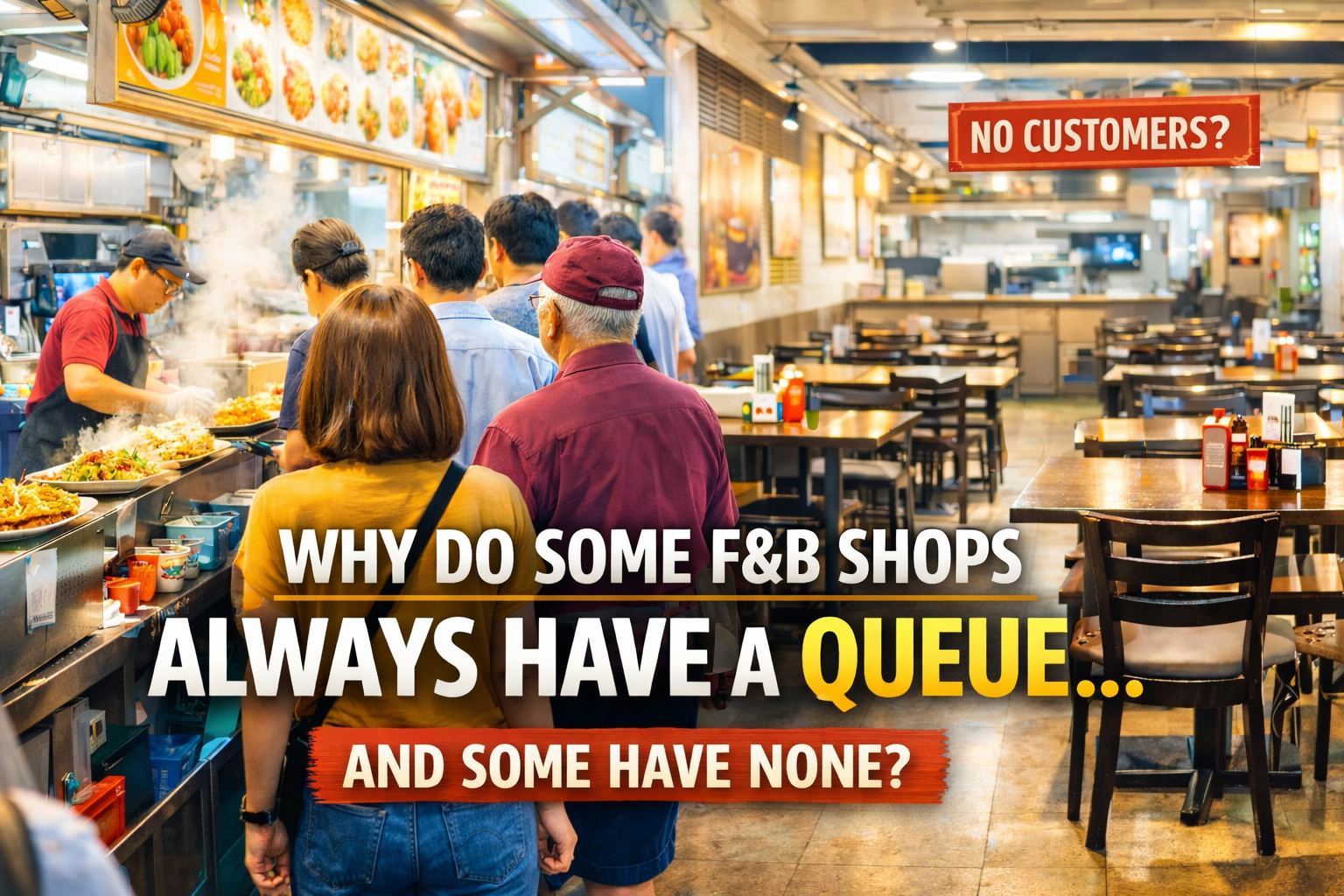
Walk around Singapore during lunch hour and you’ll notice something interesting. Some stalls and cafés always have a queue outside the shop, while others nearby remain half empty. What’s surprising is that the busiest places don’t always have the best food. Many F&B owners have probably wondered the same thing at some point: why does that stall always have customers while mine sometimes doesn’t? After observing many food businesses across Singapore, certain patterns appear again and again. People Trust What Other People Are Eating Humans naturally follow the crowd. When customers walk past a shop and see a line forming outside, their first instinct is often to assume the food must be good. Even without knowing anything about the restaurant, the queue itself becomes a signal of quality. On the other hand, an empty shop can unintentionally send the opposite message. Customers may subconsciously question whether the food is good or if something is wrong with the place. This is why a stall with several people waiting often attracts even more customers, while a stall with no queue may struggle to draw attention despite serving good food. Simple Menus Often Perform Better Many of Singapore’s busiest food stalls operate with surprisingly small menus. Some famous hawker stalls sell only three to six dishes, yet they remain consistently popular. A focused menu allows the kitchen to work faster and maintain consistent quality. It also makes ordering easier for customers. When people see too many options, they often take longer to decide, slowing down the queue and increasing pressure on the kitchen. By concentrating on a few strong dishes, many successful outlets are able to deliver food faster while keeping standards consistent. Speed Matters More Than Many Owners Think In busy districts such as the CBD or major office areas, many customers have limited time for lunch. Office workers often want to order, eat, and return to work within thirty to forty-five minutes. When the ordering process is smooth and the kitchen runs efficiently, customers feel that the experience fits naturally into their schedule. Long waiting times, confusing ordering processes, or delays in food preparation can discourage repeat visits, even if the food itself is good. Many of the busiest outlets in Singapore succeed simply because they are able to serve customers quickly and reliably during peak hours. Familiarity Creates Loyal Customers Another powerful factor in the success of many F&B outlets is familiarity. Customers often return not just because of the food, but because they feel comfortable with the place. Think about the kopi stall uncle who remembers your usual order, or the café staff who greet regular customers when they walk in. These small moments create a sense of connection that customers appreciate. Over time, the shop becomes part of the customer’s daily routine. This familiarity encourages repeat visits and helps build a steady base of loyal customers. The Best Shops Are Consistent Consistency is one of the most important traits shared by successful F&B businesses. Customers value reliability more than many operators realise. When someone finds a place they enjoy, they want the food to taste the same every time they visit. If the portion size changes, the flavour becomes inconsistent, or the service quality drops, customers may start looking for alternatives. Many of the most successful food stalls in Singapore are not constantly introducing new items or changing their menu. Instead, they focus on delivering the same dependable experience day after day. Final Thoughts Running an F&B business in Singapore is not easy. Rising rental costs, manpower challenges, and intense competition are realities that most operators face daily. However, when looking at outlets that remain busy year after year, the formula often comes down to a few simple principles: building trust through social proof, keeping menus focused, serving customers efficiently, creating familiarity, and maintaining consistency. In the end, success in the F&B industry is not always about having the most complex menu or the most creative concept. Sometimes, it’s about doing the simple things well and doing them consistently. If are interested in solutions that can help you automate order taking for consistent, fast ordering, without heavy reliance on manpower, or a solution that helps you handle member engagement to bring back customers, click here to learn more!
Show More